
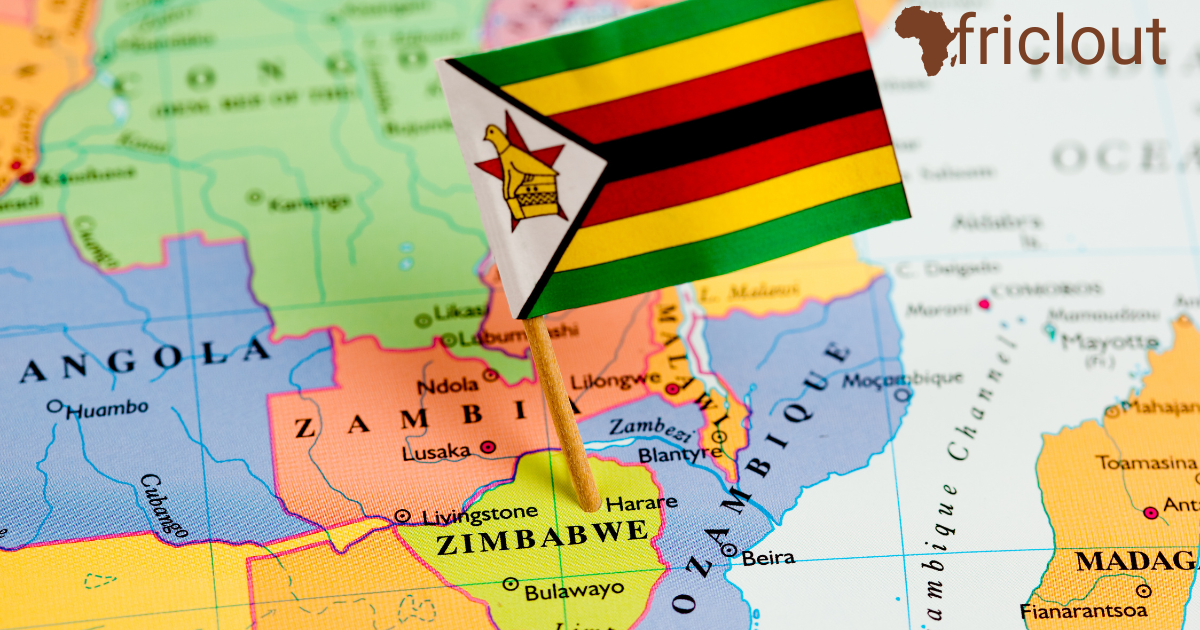

Zimbabwe’s economic history reads like a cautionary tale. Once hailed as the breadbasket of Africa, it has endured currency collapses, hyperinflation, mass unemployment, and chronic political instability. Yet through this crucible of economic chaos, a quiet, indomitable resilience has emerged — not from policy, but from the people.
In Harare’s downtown, market stalls operate with a fierce ingenuity. WhatsApp groups double as informal banks. Young Zimbabweans earn foreign currency through digital gigs, while others repackage tomatoes and airtime for resale, keeping micro-economies alive. This is not just survival; it is a masterclass in adaptive capitalism.
From Collapse to Coping Mechanism
Zimbabwe’s economic collapse reached its zenith in 2008 when inflation peaked at 89.7 sextillion percent. Bread cost billions of Zim dollars. Savings evaporated. Schools closed. Yet rather than fall into despair, citizens improvised.
“We learned that economics is not always about textbooks,” says Chido Mazura, a Bulawayo-based entrepreneur who launched a successful handmade soap brand during the downturn. “It’s about people, instinct, and adjusting quickly.”
In the absence of formal structures, informal networks became lifelines. Trust-based credit systems emerged. Diaspora remittances became GDP mainstays. Street corners became pop-up economies, selling everything from fuel to forex.
Digital Innovation Born of Necessity
Where the state failed, technology stepped in. Zimbabwe’s mobile money platform EcoCash transformed daily transactions. At one point, over 90% of all transactions in the country happened via mobile.
“Necessity is our greatest innovator,” says Tafadzwa Mukamba, a UX designer who freelances with global clients from his home in Masvingo. “We don’t wait for the system. We build around it.”
Freelancing, cryptocurrency, and informal forex trading are now pillars of the modern Zimbabwean hustle. This shift, driven by youth and internet access, shows how even in decline, an economy can mutate and survive.
The Emotional Economics of Hope
Resilience, however, is not romantic. It comes at a cost. Zimbabweans have learned to function with a kind of disassociated optimism.
“We plan weddings while expecting currency changes. We smile, but our passports are always ready,” says Kundai, a 33-year-old civil servant. “You learn to hope cautiously.”
This emotional contradiction — to live both inside and beyond your country’s chaos — is a psychological tax few economic reports account for. But it shapes every transaction, every risk, and every act of faith in tomorrow.
Lessons for the Continent
What can other African economies learn from Zimbabwe? That resilience is not a policy. It’s a people. And that when institutions crumble, innovation takes root in kitchens, WhatsApp groups, and roadside stalls.
The ghost of Zimbabwe’s growth still lingers — in its infrastructure, its once-vibrant industries, its diaspora scattered across the globe. But what remains at home is a nation that refuses to die.
In this, there is not just survival. There is a future being shaped daily, in the most unexpected places.
 Africlout