
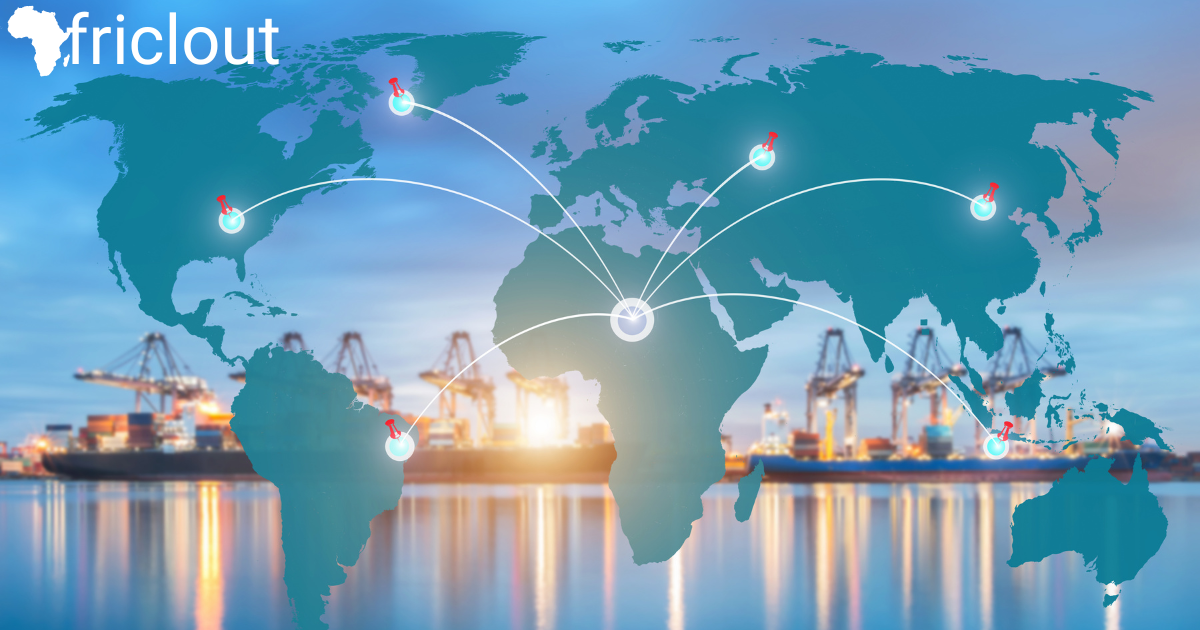
From Afrobeats dominance to curated cultural diplomacy, African countries are reshaping global cool. Nigeria, South Africa, Kenya, and Ghana are not just participating in the culture game—they’re rewriting the rules.
The Soft Power Battle: Who’s Exporting African Cool Best?
⚠️ Warning: This article contains dangerously high levels of cultural pride. Side effects may include the sudden urge to update your playlist, redecorate your space, or book flights to Lagos, Cape Town, Nairobi—or all three.
While the world’s superpowers flex military might and economic clout, Africa has been winning a different kind of war—quietly, boldly, stylishly. It’s the battle for soft power supremacy. The weapons? Music. Fashion. Storytelling. The battlefield? The global imagination.
From Cannes to the Met Gala, from Silicon Valley to Spotify playlists, African cultural exports aren’t just participating in the zeitgeist—they’re defining it. And at the heart of this cultural takeover lies a growing competition among African nations themselves: who’s doing it best?
At the 2025 Africa Soft Power Summit in Nairobi, leaders, creatives, and policymakers gathered not just to celebrate Africa’s creative industries, but to strategize how to weaponize them—diplomatically, digitally, and globally. But beyond the panels and think pieces, there’s a real-time race playing out between nations. Nigeria, South Africa, Kenya, Ghana—each is carving its path, asserting a cultural presence that’s as strategic as it is soulful.
Nigeria: The Undefeated Cultural Juggernaut
Let’s be honest—Nigeria didn’t just show up to the soft power party. It built the dance floor, DJed the playlist, and invited the world to groove.
Afrobeats is not just a genre; it’s an era. And Nigeria owns it. From Burna Boy’s Grammy wins to Tems’ songwriting credits on Hollywood soundtracks, Nigerian music has become a dominant force, not just in African culture but in global culture. It’s not background music—it’s the main event.
But Nigeria’s power play doesn’t stop at music. Nollywood, the second-largest film industry by volume, is exporting stories soaked in Yoruba drama, Igbo wit, and Lagos flair. More than 2,500 films a year now reach global audiences via Netflix, Showmax, and YouTube. And the aesthetics? Iconic. Think: the rebirth of “Nolly Babes” style—vivid eyeshadows, bold lip liners, unapologetic glam—which is now showing up in editorials from London to Johannesburg.
What makes Nigeria so compelling isn’t just quantity—it’s confidence. Burna Boy didn’t name himself “African Giant” by accident. Nigerian creatives are not tailoring their output to Western palettes. They’re serving the jollof hot and spicy, and daring the world to keep up. And they are.
Nigeria’s cultural infrastructure is layered: tech platforms amplify artists, diaspora influencers serve as cultural liaisons, and social media turns trends into movements. Nigerian cool isn’t accidental—it’s an orchestrated, multidimensional export strategy. The world isn’t just vibing to Nigerian culture—it’s buying, streaming, and imitating it.
South Africa: The Cultural Strategist
If Nigeria is volume, South Africa is curation. Think of it as the boutique cultural powerhouse—refined, tactical, and lethal with its influence.
From amapiano’s quiet storm takeover of global clubs to Trevor Noah’s late-night diplomacy, South Africa’s cultural exports are precise and powerful. They don’t shout; they seduce.
Its fashion industry doesn’t just look good—it interrogates. South African designers blend heritage with high-concept minimalism, producing runway collections that are both wearable and revolutionary. Simultaneously, the country’s post-apartheid narrative adds a layer of gravitas to its global brand. It’s not just about aesthetics—it’s about stories that resonate with resilience.
Cape Town is now a global creative hub. Johannesburg is pulsing with design festivals and tech incubators. And with Charlize Theron, Sho Madjozi, and the SA Tourism Board pulling global attention toward its wine valleys and coastline views, the country has mastered the duality of cultural sophistication and street appeal.
More importantly, South Africa knows how to speak the language of power. Its cultural outputs don’t just go viral—they shape policy, attract investors, and influence narratives at the diplomatic level. It doesn’t just create content—it curates perception.
Kenya: The Quiet Builder
While Nigeria and South Africa battle it out in the headlines, Kenya is playing the long game. It’s not just making noise—it’s building systems.
Hosting the 2025 Africa Soft Power Summit wasn’t just symbolic. It was a strategic move that placed Kenya at the center of Africa’s cultural and policy conversations. The message? Kenya isn’t just participating in soft power—it’s helping define the rules.
Kenyan music is evolving, with gengetone artists blending traditional rhythms and modern flows. The country’s filmmakers—think Wanuri Kahiu and the wave of afro-surrealists—are creating stories that are poetic, political, and distinctly East African. In fashion, designers are experimenting with handwoven textiles and eco-conscious production, earning international acclaim.
What Kenya lacks in scale, it makes up for in clarity. It’s building soft power through leadership, particularly by centering youth voices and women creatives. It’s exporting vision as much as vibe.
And let’s not forget the diaspora appeal: Nairobi has become a pan-African creative hub, attracting talent from across the continent and beyond. This influx is helping Kenya mold its soft power not only through exports but through curation—hosting, convening, and influencing other influencers.
Ghana: The Cultural Gatekeeper
If Nigeria is the star, Ghana is the soul.
Since the groundbreaking “Year of Return” campaign in 2019, Ghana has positioned itself as a spiritual and cultural home for the global Black diaspora. That campaign didn’t just boost tourism—it sparked emotional reconnections that still reverberate globally.
Ghanaian musicians like Sarkodie and Amaarae are fusing tradition and innovation with ease. Artists like Ibrahim Mahama are decolonizing galleries from Accra to Venice. And when the world needs “authentic” African content, where do they turn? Ghana. The country is now a trusted validator of what global brands perceive as genuine African culture.
There’s a groundedness to Ghana’s approach that feels rare. It doesn’t scream for attention—it offers substance. And this has made it a gateway for millions reconnecting with Africa, not just as consumers but as descendants, seekers, and collaborators.
Ghana’s brand is heritage, connection, and timelessness. That’s powerful—and in a culture war defined by hype, Ghana’s emotional pull might be its most valuable weapon.
Who’s Really Winning?
Trying to rank soft power is like trying to rank love—it’s everywhere, it’s layered, and its effects are often invisible until they’re undeniable.
But if we’re talking metrics—streaming numbers, fashion influence, global recognizability—Nigeria is currently leading the charge. It has turned cultural capital into economic capital. It’s loud, proud, and global.
South Africa remains the strategic player, seducing elites and intellectuals with stories that blend local and global finesse. Kenya is crafting a sustainable cultural engine from within. Ghana, meanwhile, holds the cultural keys that many diaspora creatives seek to unlock their own stories.
But maybe the real winner is the continent itself. Africa’s soft power isn’t about one nation outshining the others. It’s about a collective rebrand, driven by competition, collaboration, and a refusal to let the global narrative be written without us.
The Next Phase of Cool
African soft power is no longer potential—it’s performance. The battle is real, but so is the camaraderie. And as global platforms look to diversify content, aesthetics, and voices, Africa’s cultural influence is set to deepen, diversify, and dominate.
The only question now is: Who gets to shape what the world thinks “Africa” looks, sounds, and feels like?
We’ll be watching. Dancing. Streaming. And hopefully, boarding that next flight to experience it firsthand.
Call to Action:
Which country do you think is exporting African cool best? Drop your take in the comments, share this with a friend, and don’t forget to check out our Voices section for more cultural commentary.
 Africlout