
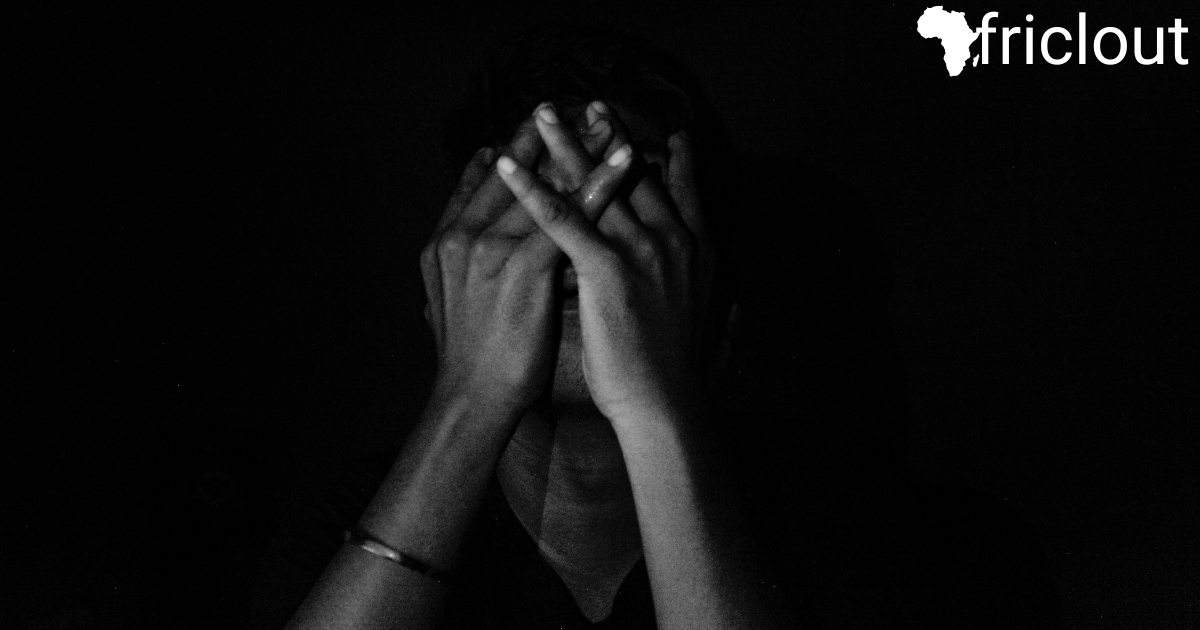

Fame is a tricky currency. On reality television, it’s often earned not through artistry or innovation, but through vulnerability, conflict, and the architecture of editing. In Africa’s rapidly evolving reality TV ecosystem, contestants are lifted from anonymity and thrust into digital stardom overnight. But when the cameras stop rolling and the live tweets fade, many are left facing a disorienting, sometimes traumatic silence.
From Big Brother Titans to The Real Housewives of Lagos, African reality TV has never been more visible. Viewership is soaring, social media engagement is frenetic, and cast members are idolised and antagonised in equal measure. But what happens after the final reunion episode? Who cares for the mental wellness of those who’ve become public property?
The Burden of Sudden Visibility
Unlike scripted actors, reality TV stars aren’t playing characters. They are, ostensibly, performing themselves—and therein lies the trap.
“You’re giving people a version of your real life, but they assume ownership of all of you,”
— Dr. Mudiwa Chikore, Johannesburg-based psychologist
For many contestants, the early days of fame feel euphoric. Invitations arrive, follower counts balloon, and brand deals roll in. But visibility is not the same as stability. As Dr. Chikore notes, “The same platforms that exalt you today will dehumanise you tomorrow. And the trauma that comes with public humiliation or erasure can be deep.”
Algorithms and Amnesia
The digital economy is ruthless. Attention spans are short. A reality star might trend for weeks—until the next season replaces them with a newer, shinier persona.
“You live in a loop of relevance anxiety,”
— Imani Ndlovu, former contestant on a pan-African dating show
Imani continues: “People loved me until they didn’t. And when they moved on, I realised I had no support system, no roadmap, nothing.”
What makes it worse is the parasocial intimacy between viewers and stars. Fans think they know these personalities intimately, leading to entitlement, invasive DMs, and harassment. For someone navigating the comedown from sudden fame, it can feel like grieving a version of themselves that never fully belonged to them in the first place.
Fame as a Public Performance of Pain
In much of Africa, where mental health remains cloaked in stigma, reality stars are expected to smile, pose, and stay relevant. Vulnerability is seen as weakness. Therapy? Too Western. Burnout? A sign of ingratitude.
Some lean into the performance—monetising trauma for views and engagement. Others retreat entirely, disappearing from the platforms that once praised them. The emotional pendulum swings between overexposure and erasure, and very few are given the grace to simply be human.
The pressure to curate a life that feels aspirational yet relatable—real but never too raw—becomes its own prison. And when the narrative goes off-script, the public’s appetite for drama rarely extends to empathy.
Are Producers Responsible?
The role of production companies can’t be ignored. Unlike their Western counterparts, many African reality TV producers still operate without clear ethical standards for post-show care.
“There was no debrief. No therapy. Not even a WhatsApp check-in,”
— Anonymous contestant from a major South African show
Once the cameras stop, contestants are often left to navigate their new reality alone—managing sudden fame, online abuse, and identity disorientation without any professional support.
If the genre wants to mature, ethical production must become non-negotiable. That means:
- Pre-show mental health screenings
- Mid-season wellness check-ins
- Confidential post-show counselling access
- Non-disclosure protections that don’t muzzle contestants’ mental health truths
These aren’t luxuries—they’re industry responsibilities.
Towards Ethical Fame
There are glimmers of progress. A few newer platforms and production houses are beginning to include mental health consultants in their programming. Some former contestants are using their platforms to advocate for better systems of care.
But the burden still falls largely on individuals to find their footing. To separate the persona from the person. To find grounding in a world built on illusion.
“You need to remember who you were before the fame,”
— Imani Ndlovu
“Because the fame will forget you.”
As audiences, we must also shift. Celebrate the stars, yes—but leave space for their humanity. Understand that what we consume as entertainment often costs someone more than just their privacy. It costs them peace.
Share your story: Have you or someone you know experienced digital burnout or post-fame identity loss? Comment below or write to us anonymously.
Read next: Decolonize Your Playlist: African Sounds with Substance
 Africlout