

The text message came in at 2:47 AM:
“Sister, I know you’re awake. Can you help me understand why they want to pay me in ‘exposure’ again?”
My friend Kemi, a brilliant photographer whose lens had just captured the heart of a global campaign, was once again staring down a contract that valued her artistry at roughly the cost of lunch. Her images were helping to sell the story of “authentic Africa” to the world—yet she was being offered peanuts while the agency cashed in on a six-figure narrative.
This wasn’t a one-off. It was Tuesday.
The Creativity Tax No One Admits Exists
African creatives live under a silent tax code—one where we’re expected to trade talent for “gratitude” and accept gigs that wouldn’t be tolerated in more established markets.
We’re told our work is “powerful” and “raw” while being handed contracts that barely cover transport to the shoot. The numbers rarely lie: African creative labor is routinely undervalued, even as it becomes central to the global aesthetic machine.
Clients—both local and foreign—lean on our hunger, our under-resourced industry, and our dreams to get us to agree to terms that would get laughed out of rooms in New York or London.
But here’s what they didn’t plan for:
We’re no longer playing by their script.
Colonial Extraction in Modern Clothing
To understand why this exploitation persists, we need to trace its roots. Colonialism didn’t just steal minerals and labor—it systematized extraction. That same logic now governs the global creative economy.
Think about it: African stories, sounds, visuals, and spiritual traditions are routinely plucked, rebranded, and sold globally—minus the original creators.
- Fashion brands use “African prints” without credit.
- Wellness industries sell African indigenous practices as “ancient secrets” while gatekeeping the practitioners.
- Music festivals tout African headliners but pay them less than European openers.
This isn’t just systemic bias—it’s a refined continuation of colonial commerce.
The Internalized Discount: When We Become Our Own Gatekeepers
But exploitation isn’t always external. Many African creatives have absorbed this undervaluation so deeply that we often undersell ourselves before negotiations even begin.
We pitch apologetically. We preempt objections by discounting our rates. We justify low fees because we live in “emerging economies,” as if our work is less skilled simply because of geography.
This is colonialism’s most dangerous legacy:
When the colonized begin managing their own oppression.
The Romance Scam of “Passion Projects”
The creative industry loves to weaponize love. “Do it for the passion,” they say. “It’s great exposure.”
We hear:
“You should feel lucky to be here.”
“You’re replaceable.”
“This is how the industry works.”
These narratives are especially harmful in places where art is already seen as indulgent or risky. Many young creatives are desperate to prove their careers are legitimate, and so they take every job, every unpaid gig, every “portfolio-building opportunity”—until passion curdles into burnout.
No one tells the platform owners, agents, or brand managers to work for “exposure.”
That advice is reserved for the people who actually make the culture.
Infrastructure Gaps = Exploitation Pipelines
Here’s the hard truth: part of what keeps African creatives vulnerable is the lack of creative infrastructure.
- No universal rate cards.
- No robust union protections.
- Weak copyright enforcement.
- Few royalty systems that actually work.
This absence isn’t a coincidence—it’s a feature, not a bug.
A chaotic system benefits those who already hold power.
Without transparent benchmarks, every negotiation becomes a gamble. Without IP protection, your viral photo can end up on billboards without your name or coin attached. Without access to legal counsel, many creatives don’t even know what they’re signing away.
The Turning Point: Refusing the Old Script
But the tide is turning.
A new generation of African creatives is refusing to be grateful for crumbs. They’re:
- Creating collectives to share rate guides and blacklist shady clients.
- Building their own distribution platforms that keep profits on the continent.
- Learning business strategy, not just creative craft.
This is a shift from survival to sovereignty.
Consider:
- Burna Boy demanding ownership of his masters.
- Yagazie Emezi setting licensing standards for African photographers.
- Writers like Chimamanda insisting on narrative and contractual control.
These aren’t just individual wins. They are part of a broader blueprint for reclaiming creative power.
The Digital Disruption That Levels the Field
The internet changed everything.
In the past, gatekeepers decided who got seen and who got paid. Today, a viral TikTok can launch a music career, an Instagram reel can lead to a fashion line, and creators can build subscriber communities that bypass exploitative middlemen.
This direct-to-audience model is redefining power.
Now, brands and institutions have to compete for our attention—not the other way around.
It’s also harder for them to lie.
We screenshot rates. We share our experiences. We warn others.
Transparency is the new power.
Collective Action > Individual Survival
The most powerful changes are happening underground.
In Lagos, Nairobi, Dakar, and Johannesburg, creative hubs are growing into full ecosystems. From legal aid programs for creatives to grassroots databases of fair pay, the industry is organizing in ways that matter.
What once felt like isolated frustration is becoming shared resistance.
The conversation is no longer:
“How do I get this client to pay me?”
Now it’s:
“What would it take to never need them again?”
Choosing Dignity Over Desperation
Saying no is hard—especially when you’re broke, under-recognized, and hoping for a breakthrough. But every no to exploitation is a yes to a creative future built on dignity.
Yes, some clients will ghost you. Some opportunities will vanish.
But what replaces them is more sustainable:
The chance to build a career where you don’t have to mortgage your health, sanity, or identity.
What Fair Actually Looks Like
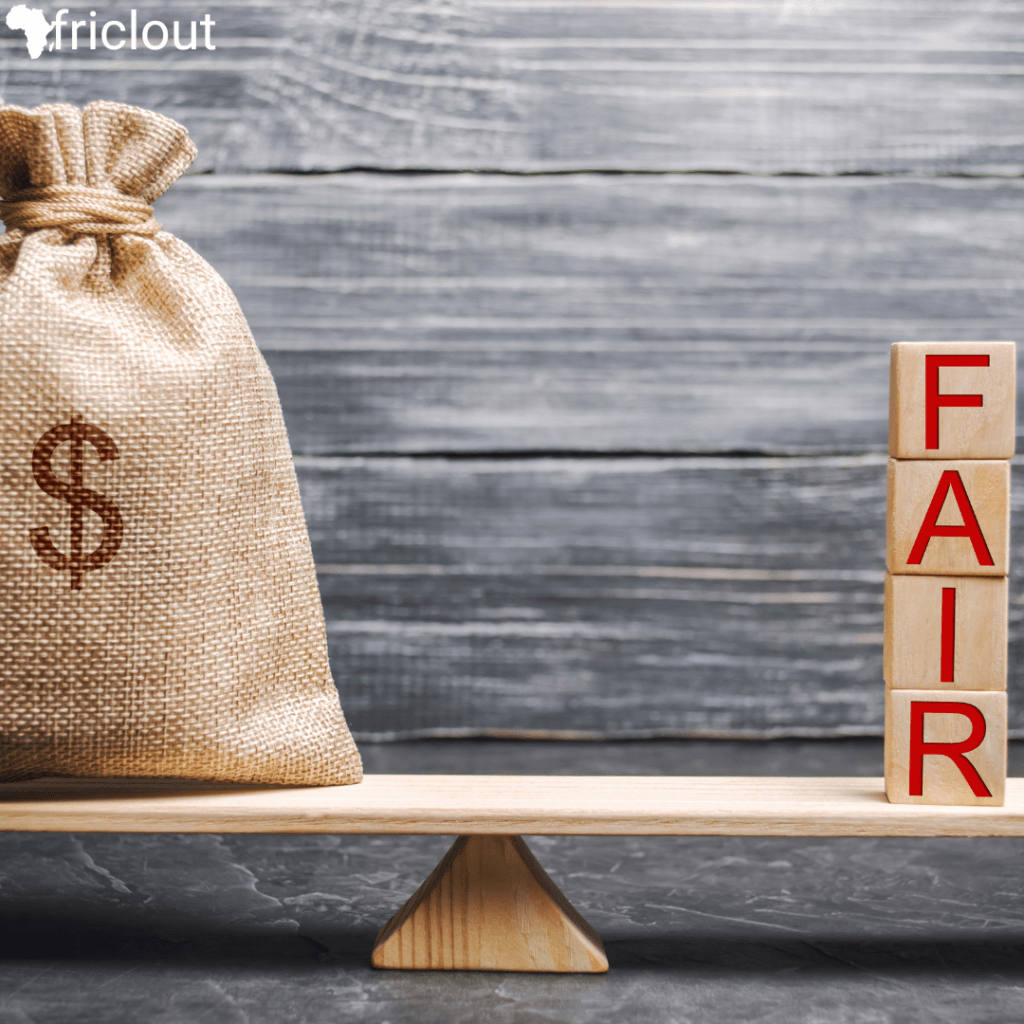
Let’s be clear: “fair” doesn’t mean charging London rates in Lusaka.
It means:
- Rates that reflect effort, skill, and creative value—not colonial assumptions.
- Payment terms that respect your time and IP.
- Contracts that are balanced and enforceable.
- Creative labor treated as a professional service, not a favor.
Fair is when your talent pays your rent—without requiring you to also be your own lawyer, marketer, therapist, and hype team.
A Text Message That Hit Different
Six months after that 2:47 AM text, Kemi sent another one.
“Sister. Just signed my biggest contract yet. Market rate. No negotiation. They said my portfolio spoke for itself.”
That moment?
That’s what change looks like.
The creative economy in Africa is still lopsided. But we are shifting the weight. We are redefining what’s acceptable. We are building systems that honor our talent, protect our futures, and rewrite the contracts we inherited.
So, Are We Ready?
The question was never whether African creatives deserve fair pay.
We do. We always have.
The real question is:
Are we ready to demand it, defend it, and build the world where fair is the floor—not the dream?
Because the feast we’ve been preparing with our creativity?
It’s time we sat at the head of the table.
Are you a creative who’s said no to unfair deals? Share your story in the comments. Let’s build this future together.
 Africlout